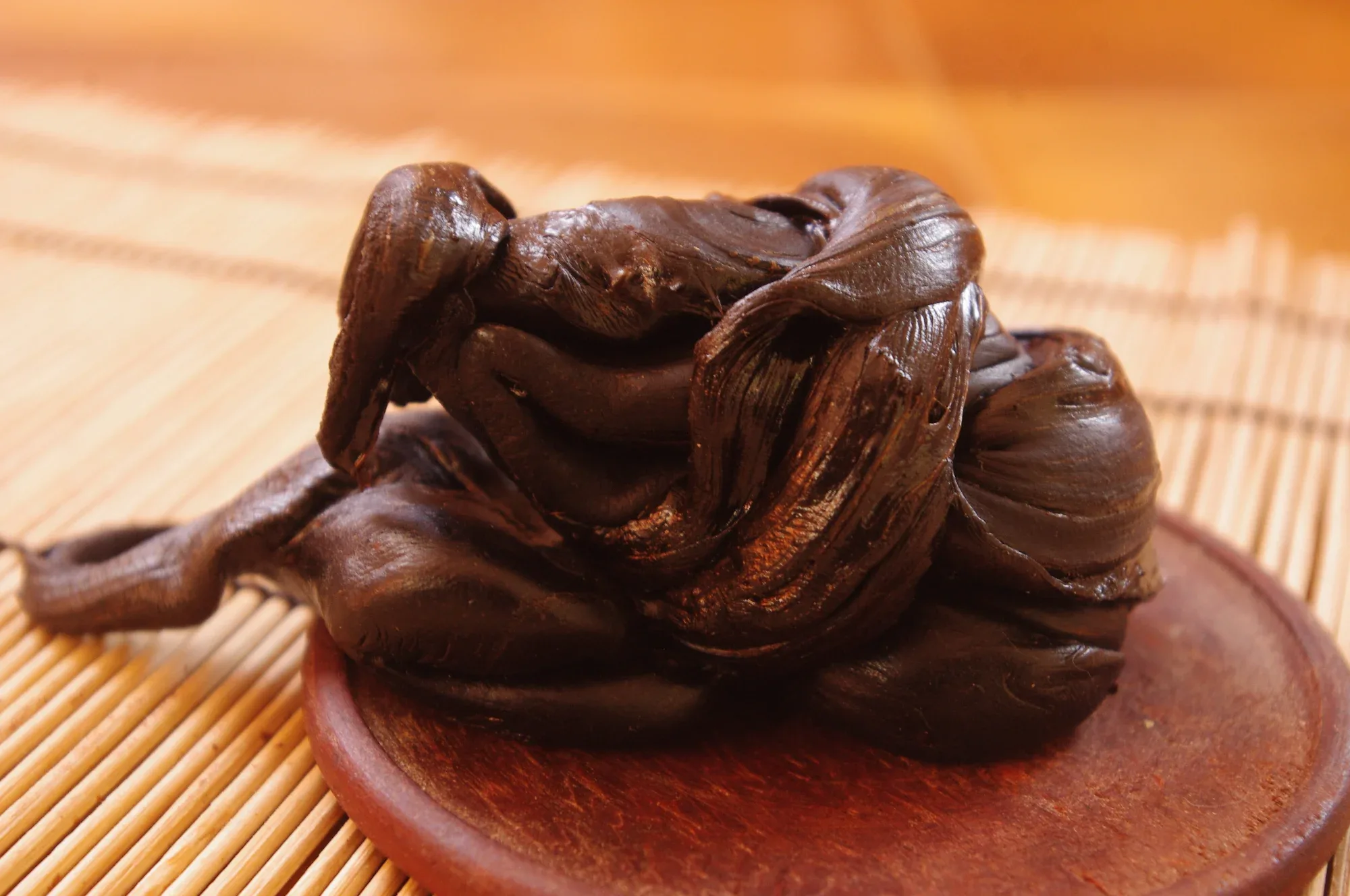
✦ Bala · in one breath ✦
It rebuilds the depths and returns a strength that holds — a vitality you don't have to wrench.
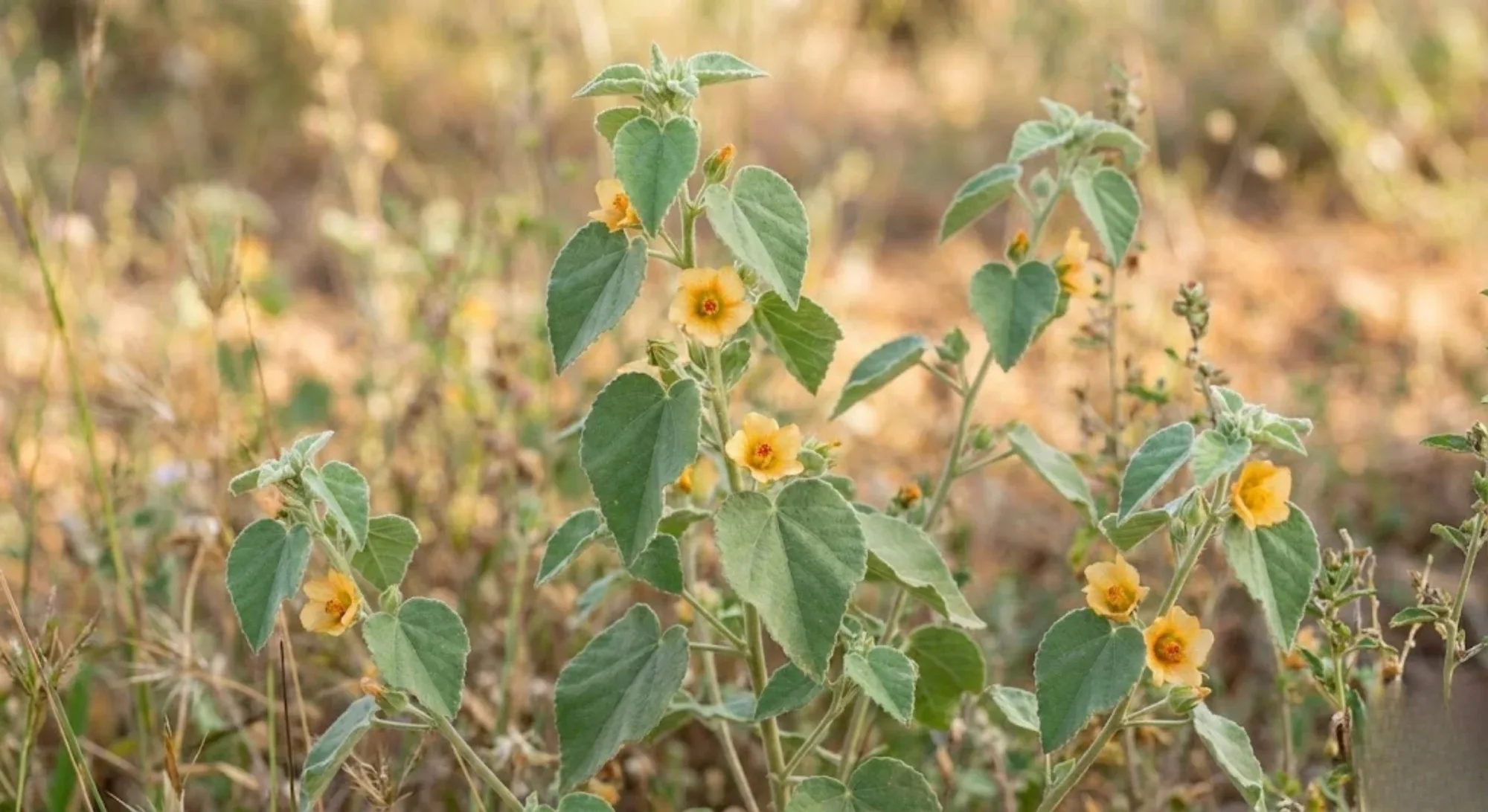
⊹ The path of the plant
⊹ Community voices
What the community murmurs.
No testimony yet for this plant — nothing invented, nothing fabricated. If you have met it, your account can open the way for those who come after.
Ask the Forest about Bala
276 books digested, 90,000 indexed passages. She answers on lineages, synergies, cautions, ritual variations.
The community space of Bala.
Voices, circles, practitioners, offerings — gathered around this plant.
Enter the Temple →⊹ FREQUENT QUESTIONS ⊹
We answer.
What is Bala (Sida cordifolia)?
Bala is a plant of the Ayurvedic pharmacopoeia, classed among the rasayana — the substances of restoration. In Sanskrit, bala means strength, but also childhood and beginning — a strength that restores tissues rather than hardening them. She is traditionally used for vata-type imbalances and states of convalescence.
What is Bala used for in the Ayurvedic tradition?
Ayurvedic tradition ranks Bala among the balya (that which gives strength) and the brmhaniya (that which gives mass back to tissues). The vaidyas have used her for more than two thousand years for convalescence, postpartum weakness, senescence and vata disorders of the nervous system. She is a plant of ground, not an occasional stimulant.
Does Bala contain ephedrine?
Yes. Sida cordifolia naturally contains ephedrine and pseudoephedrine, in low quantity in the dried root (about 0.1 to 0.2%, much less than Chinese ephedra). These are stimulant alkaloids acting on the cardiovascular system — Bala is therefore not an innocuous herbal tea and requires discernment (see Precautions).
Is Bala dangerous?
At small dose, in traditional whole-root preparation and short cure, Bala fits within a millennia-old use. The risk concerns concentrated forms of isolated alkaloids and prolonged high oral doses — this is what motivated Western restrictions. Bala is contraindicated in case of cardiovascular disorder, hypertension, pregnancy, and before any anti-doping control.
Why is Bala restricted in Europe?
After accidents linked to supplements concentrated in ephedrine alkaloids — mostly Ephedra-based, not Bala — the US FDA banned these alkaloids as supplements in 2004, Europe followed in 2015. The restriction strikes an isolated and concentrated form that Ayurvedic tradition never used: her lineage of use is oily and milky, restorative.
How do I prepare Bala powder?
Dilute about 3 to 5 g of powder (a teaspoon) in a warm drink — plant milk or simmering water at 80°C — or a smoothie, without bringing to boil. The Ayurvedic way readily associates rasayana with a fatty and warm vehicle. To receive in small dose, in short cure, never in indefinite daily habit.
What is Ksheerabala?
Ksheerabala is the purest form of Bala in tradition — not an herbal tea but an oil. The root is long-cooked in milk and sesame oil, sometimes seven times or a hundred and one times, to give a medicated oil used in massage (abhyanga) and as a stream on the forehead (shirodhara). INFUSE offers the root in powder, not this oil.
Is Bala suitable for everyone?
No, and we assume it. Bala is a plant of long tradition that demands discernment. She is contraindicated for people with heart disorder or hypertension, pregnant or breastfeeding women, children, and people on cardiovascular treatment or MAOI. When in doubt, your doctor before the plant.
⊹ Chapter · Questions ⊹
Ask, answer, share.
One question, one answer — sometimes several voices. The community answers first; INFUSE steps in when it should.
« Every plant is a door. Bala opens onto a long companionship — listen to it more than you measure it. »